Category: Technique
-

Part 2 of 3: Process Papermaking begins in winter. The cold matters. Paper mulberry is cut between December and February, when the sap has dropped and the bark fibers are at full strength. Too early and the fiber is weak; too late and new growth contaminates it. The window is narrow. The branches — one…
-
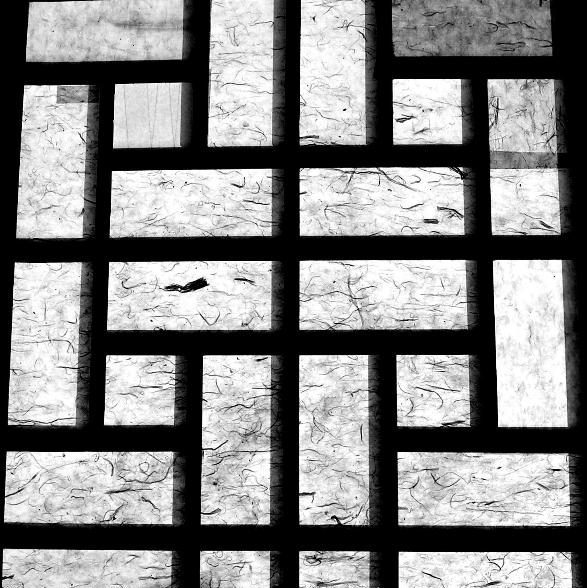
Part 1 of 3: Surface Hold a sheet of hanji (한지) up to a window. The light does not pass through so much as get caught — diffused, softened, held inside the sheet. That is not an accident of the material. It is structure, and the structure is a thousand years old. The glow comes…
-

Everyone stopped. China invented luodian (螺鈿) under the Tang and had it mature by the eighth century — bronze mirrors backed with shell and lacquer, out of the imperial workshops, copied across East Asia. Then China moved on. The Metropolitan Museum records that the technique all but died out in China after the Tang fell…
-
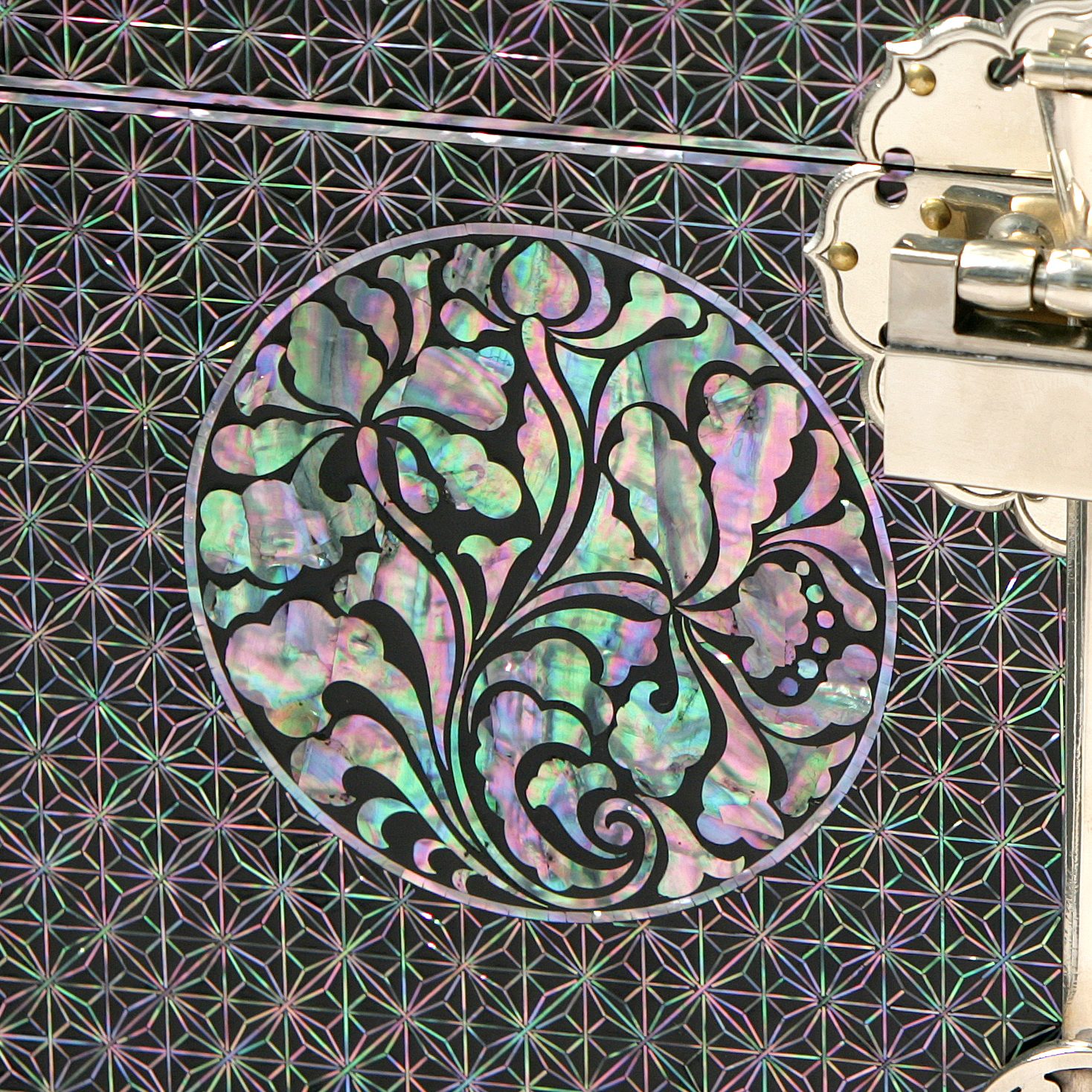
Dozens of coats. A najeon artisan lays down thirty or more layers of lacquer before a single piece of shell goes on. A complex object may take fifty. Each layer has to cure completely inside a humidity chamber held around 70–85 percent moisture and 20–25°C before the next can go down. None of this is…
-

Twenty pieces of najeonchilgi (나전칠기) from the Goryeo period survive anywhere in the world. One of them is in Korea. The other nineteen are in Japan, Europe, and North America—valuable enough to keep, never returned. In 1123, a Chinese envoy named Xu Jing came to the Goryeo court and filed a report for the Northern…